You didn't use to think about it Now you notice every change.
Maybe desire isn’t what it used to be. Erections feel less predictable. Performance has changed — and you’re wondering why. Sexual health is influenced by more than testosterone. RHM looks deeper at hormones, blood flow, metabolic health, thyroid function, stress, sleep, and recovery to understand what may have changed.

What changed in the bedroom may have started somewhere else.
Libido and erectile function are influenced by blood flow, hormones, metabolic health, stress, sleep, and recovery. When something changes, the symptom may be only one piece of the story.
What You've Been Told:
- “You’re probably just getting older.”
- “It must be low testosterone.”
- “Just take something when you need it.”
Medication can help — and when appropriate, we prescribe it. But we don’t stop there. RHM looks at hormones, blood flow, metabolic health, stress, sleep, and other factors behind erectile dysfunction and low libido. The goal is better function now and better health long term.
Your symptoms are telling us something. Let’s find out what.
What Should an Erectile Dysfunction Clinic Actually Do?
Getting it working again is one goal. Understanding why it changed is another. At RHM, we do both.
Sexual function depends on more than testosterone.
When libido or erectile function changes, there may not be one simple explanation. Your hormones, circulation, metabolism, cardiovascular health, nervous system, sleep, and recovery all interact — which is why RHM looks at the whole picture.
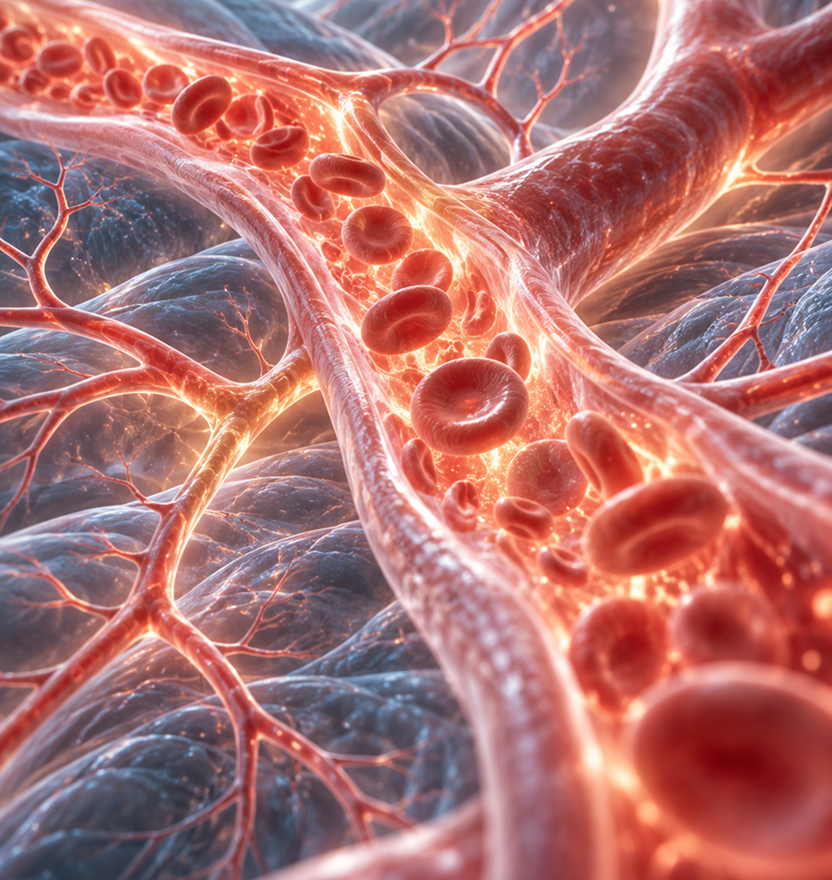
Blood flow
An erection depends on blood getting where it needs to go — and staying there. Changes in circulation and vascular function can affect how firm and reliable erections feel.
Hormone balance
Testosterone matters, but it isn't the only hormone that matters. Estradiol, SHBG, prolactin, thyroid function, and other hormonal factors can influence desire, sexual response, energy, and recovery.
Metabolic Health
Blood sugar regulation, insulin resistance, body composition, and metabolic health can influence circulation, hormones, energy, and sexual function — often long before they feel like an obvious “metabolic” problem.
Cardiovascular health
Sexual health and cardiovascular health are closely connected. Blood pressure, cholesterol, vascular health, and other cardiovascular factors can provide important context when erectile function changes.
Stress & nervous system
Your body can be physically capable of sex while your nervous system gets in the way. Chronic stress, anxiety, and poor recovery can make it harder to feel desire, stay present, and respond sexually.

Sleep and recovery
Poor sleep doesn't just make you tired. It can affect hormone regulation, stress physiology, energy, recovery, and libido — all of which can show up in your sexual health.
This is why an RHM sexual health evaluation doesn't begin and end with a testosterone level or a prescription. We look at the systems that may be driving the change — and build treatment around what we find.
The RHM Approach
We don’t stop at the symptom.
Improving sexual function matters. So does understanding what may have changed. RHM brings both together — treating the immediate concern when appropriate while evaluating the broader health factors that may be contributing.
Treat the Immediate Concern
Look Beyond Testosterone
Connect the Systems
Build Treatment Around You
The same symptom can come from very different places.
Erectile dysfunction and low libido can involve hormones, circulation, metabolic health, stress, sleep, or several of them at once. RHM evaluates the broader picture before deciding what deserves attention.
Standard workup
160+ biomarkers
Testing focused on the immediate complaint
Systems read together
Individual findings considered separately
Hormones, cardiovascular and metabolic health, thyroid, inflammation, recovery
Often centered on sexual function alone
Libido, erection quality, energy, stress, and recovery considered together
The primary symptom addressed first
Built around your findings and monitored over time
Often centered on the immediate response
When you start noticing the pattern
What used to feel automatic suddenly takes thought. Changes in libido or performance can affect more than sex. They can change confidence, intimacy, and the way you approach the moment.


The goal is more than an explanation. It’s understanding what changed, addressing what’s driving it, and helping you get back to a part of life that shouldn’t require so much thought.
Why men finally decide to get it checked
Usually, it isn’t one dramatic change. It’s libido becoming less consistent, erections feeling less reliable, or confidence starting to take more effort than it used to.
Our Approach to Longevity Care
Discovery Call
Talk through what’s changed, when you first noticed it, your health history, medications, symptoms, and what you want to improve.

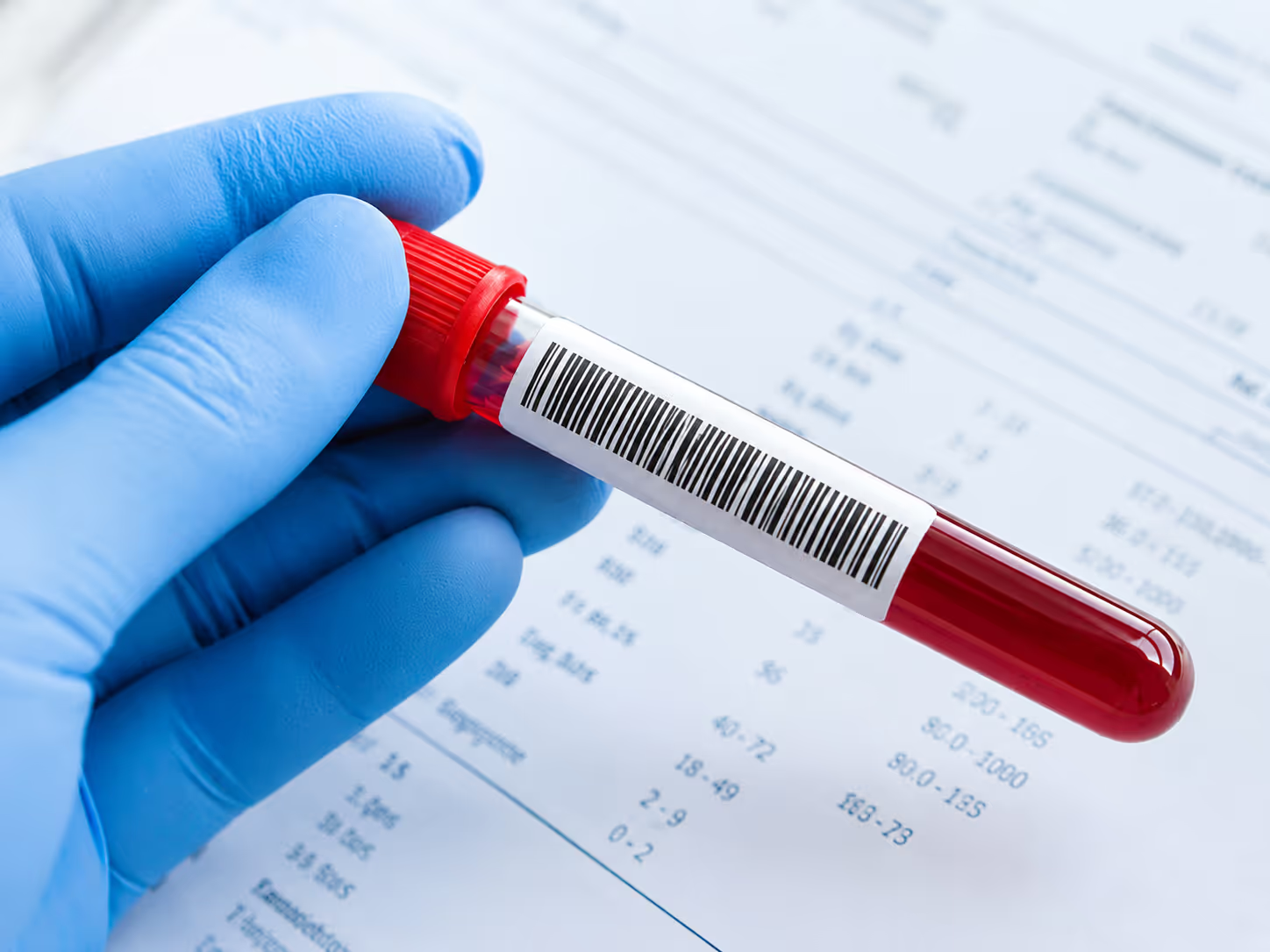
Comprehensive Lab Evaluation
Evaluate 160+ biomarkers across hormonal, cardiovascular, metabolic, thyroid, inflammatory, and other relevant systems.
Physician Review
Your physician reviews your symptoms and results together to identify patterns that may be affecting libido, erectile function, and overall health.

Personalized Plan
Build a treatment plan around what we find — from symptom relief when appropriate to the underlying factors that may need attention.

Ongoing Monitoring
Track symptoms, biomarkers, and treatment response over time, adjusting your care as your health and goals evolve.

Step
1
Step
2
Step
3
Step
4
Step
5

Physician-led sexual health care built around your physiology
RHM looks beyond the symptom to understand how hormones, blood flow, metabolic health, stress, and recovery may be contributing.
573+
160+
20+
Start with a clearer picture of what’s changed.
- Comprehensive, physician-led sexual health evaluation
- 160+ biomarkers evaluated together
- Hormones, blood flow, metabolic health, and cardiovascular markers evaluated together

FAQ
What is erectile dysfunction?
Erectile dysfunction (ED) is recurring difficulty getting or keeping an erection firm enough for sex. Occasional changes happen; when they become a pattern, it may be worth evaluating why.
What causes erectile dysfunction?
There isn’t one cause. Blood flow, cardiovascular and metabolic health, hormones, medications, nerve function, stress, and other factors can all contribute — sometimes together.
Is erectile dysfunction always caused by low testosterone?
No. Testosterone can play a role, but ED can also be related to circulation, metabolic health, medications, stress, nerve function, and other factors. That’s why one hormone test rarely tells the whole story.
What’s the difference between low libido and erectile dysfunction?
Low libido means reduced sexual desire. Erectile dysfunction affects the ability to get or maintain an erection. They can happen together, but one doesn’t necessarily mean you have the other.
Is erectile dysfunction permanent, or can it improve?
That depends on what’s contributing to it. ED has many possible causes, and treatment may involve addressing an underlying health issue as well as improving sexual function. Your physician can help determine what applies in your case.
What does an erectile dysfunction evaluation actually check?
It starts with more than testosterone. At RHM, we look at your symptoms and history alongside hormonal, metabolic, cardiovascular, thyroid, and general health markers to understand the broader picture.