Women / Perimenopause
Perimenopause care for when your labs look normal but you don't feel like yourself.
Perimenopause
Perimenopause affects hormones, thyroid, cortisol, and metabolism — not just estrogen. We evaluate them together with 160+ biomarkers, then build a personalized treatment plan around your physiology, not population averages.

What you’re experiencing isn’t random.
It didn't happen all at once. Sleep got lighter. Energy dropped. Your mood became harder to predict. Nothing dramatic, just a quiet sense that something had shifted.
You've been told:
- “It's just stress”
- “Your labs look normal”
- "This is just what your 40s feel like"s
But feeling unlike yourself is not something you should ignore.
What is Perimenopause?
Perimenopause is the hormonal transition leading up to menopause, typically beginning between ages 35 and 45. It affects far more than estrogen alone.
Perimenopause symptoms rarely happen one at a time
Hormonal, metabolic, thyroid, and stress-related changes often overlap — which is why symptoms can feel difficult to explain and increasingly connected over time.
Sleep & Night Sweats
Waking at 3am. Lighter sleep that never restores. Night sweats that leave you exhausted before the day begins.

Energy, Mood & Focus
Anxiety that came from nowhere. Brain fog that makes simple things harder. Irritability you don't recognize in yourself.
Weight & Metabolism
Weight that appeared without explanation and won't respond to anything that used to work — especially around the middle.

Skin & Hair
Hair that's thinning. Skin that feels different. Changes you notice every day that nobody has connected to what's happening hormonally.
Libido & Sexual Health
Desire that has quietly faded. Dryness and discomfort that make intimacy harder. A disconnection that goes beyond the physical.

Hormonal Changes
Irregular cycles. Heavier periods. Hot flashes. Palpitations. Your body signaling — loudly or quietly — that something has shifted.
Why standard care often falls short:
You're not imagining it. It's just not being looked at properly.
Undertested
Undertrained
Misread
Fragmented
Too Narrow
Dismissed
Your labs can look normal. And still miss everything that matters.
Standard panels can confirm you're in menopause. They rarely explain why you still feel exhausted, foggy, anxious, and unlike yourself.
Traditional labs
160+ biomarkers
A handful of hormone markers
Systems read together
Single snapshots in isolation
Thyroid, cortisol, metabolism, inflammation
Rarely included
Connected pattern
Each symptom separately
Physician-led, physiology-driven
Minimal context provided
Built around your physiology
Reactive and generalized
Why are more women experiencing this earlier?
This isn't your mother's timeline. A generation ago, perimenopause typically arrived in the mid to late 40s. Research now shows many women begin experiencing hormone-related symptoms years before menopause officially begins.



Chronic stress. Poor sleep. Blood sugar instability. Environmental toxins. Years of running on empty. They are physiological burdens that quietly erode the hormonal reserve your body needs to navigate this transition smoothly. By the time perimenopause starts, many women's systems are already depleted. The transition doesn't create the problem. It reveals it.
Why it becomes harder to keep dismissing it
You've been explaining it away. The stress. The season. The age. Everyone feels this way. But the exhaustion is too consistent. The mood shifts too unpredictable. The explanations stopped fitting a while ago. It's not dramatic. It's just relentless.
How RHM Treats Perimenopause
Discovery Call
Discuss symptoms, history, and whether deeper evaluation makes sense.

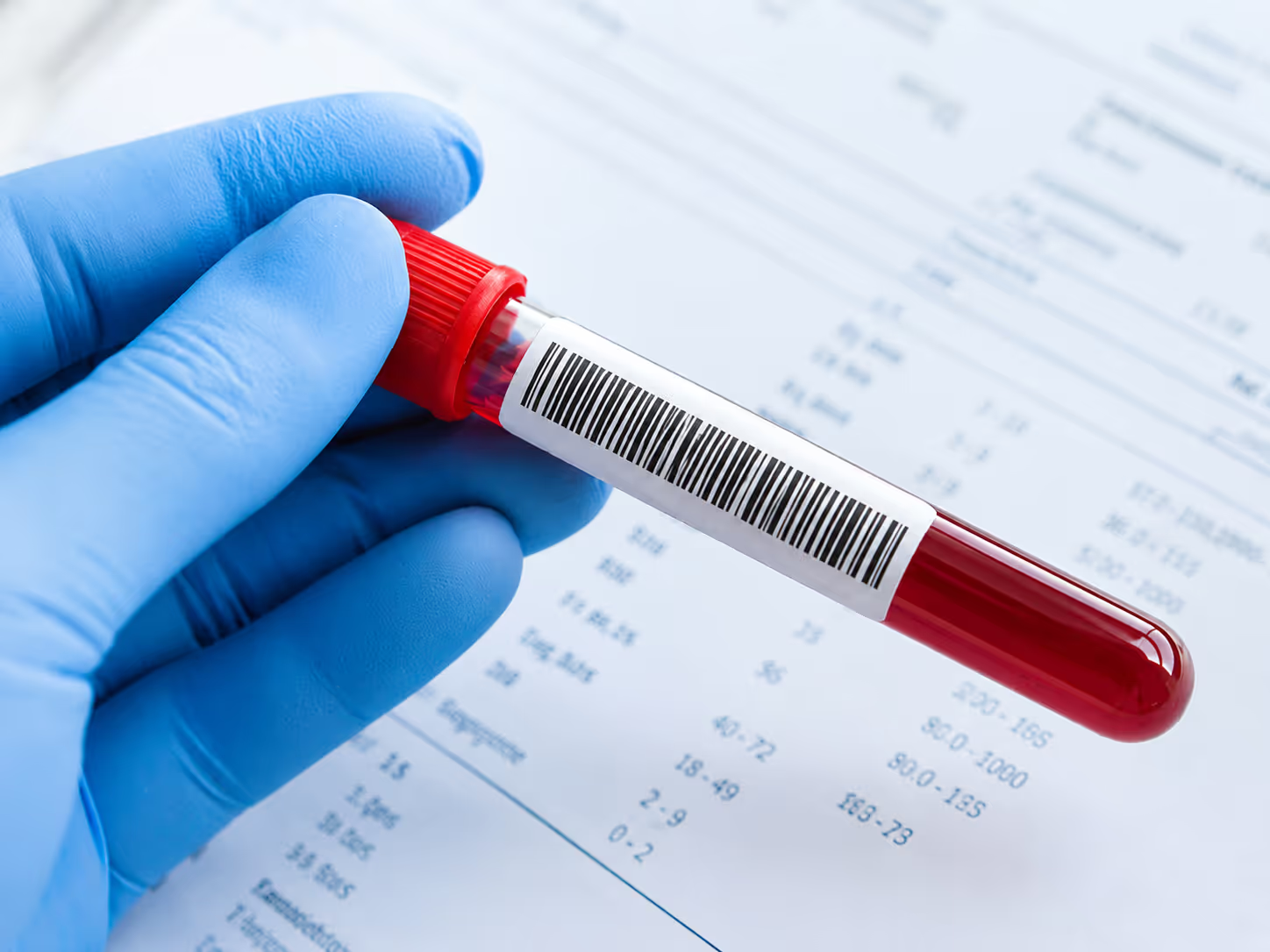
Comprehensive Lab Evaluation
Test 160+ biomarkers across hormones, thyroid, cortisol, metabolism, and inflammation.
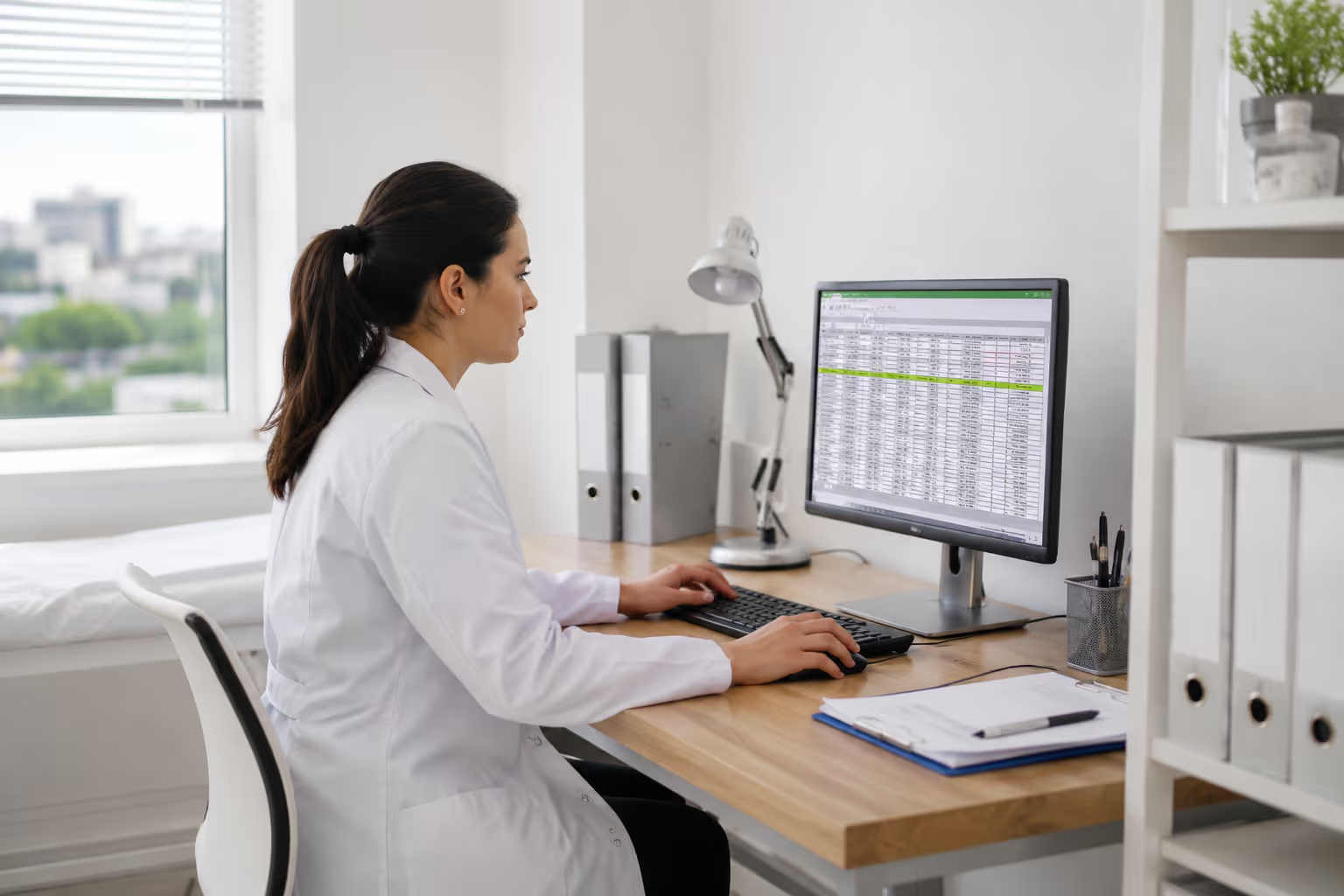
Provider Consultation
Review your results with an RHM physician and understand what may be driving your symptoms.

Personalized Plan
Get a treatment plan built around your labs, symptoms, physiology, and goals.
Ongoing Monitoring
Adjust your care over time as your body responds and your needs change.

Step
1
Step
2
Step
3
Step
4
Step
5

Physician-led care built around your physiology
Most hormone clinics follow standardized protocols. RHM evaluates the interaction between hormones, thyroid, metabolism, cortisol, inflammation, and recovery — then builds treatment around your specific physiology.
573+
160+
20+
Research & Insights on Perimenopause

Perimenopause weight gain isn't about willpower. See the hormonal, metabolic, and physiological causes — and what individualized care can do.

Perimenopause brain fog is real, common, and usually temporary — here's why it happens and what a full hormone evaluation can do about it.
Start your journey to personalized, long-term health
- Personalized, physician-led care
- Advanced testing and clear next steps
- Ongoing support focused on long-term health

FAQ
What age does perimenopause usually start?
Perimenopause usually begins in a woman’s 40s, but some women start noticing symptoms in their mid-to-late 30s. The timing varies because hormones, thyroid function, cortisol, metabolism, inflammation, stress, and lifestyle patterns can all affect how the transition shows up.
How long does perimenopause last?
Perimenopause can last a few months to several years. For many women, it lasts around 4 years, but some experience symptoms for closer to 8–10 years before reaching menopause.
What is the difference between perimenopause and menopause?
Perimenopause is the transition leading up to menopause, when hormones fluctuate and symptoms often begin. Menopause is confirmed after 12 consecutive months without a period. In simple terms: perimenopause is the transition; menopause is the milestone.
What are the most common perimenopause symptoms?
Some of the common perimenopause symptoms include irregular periods, heavier bleeding, hot flashes, night sweats, sleep disruption, anxiety, mood changes, brain fog, fatigue, weight gain, low libido, vaginal dryness, joint pain, hair thinning, and heart palpitations.
Why do my labs look normal if I have perimenopause symptoms?
Hormones can fluctuate significantly during perimenopause, so a single “normal” lab result may not explain what is happening. At RHM, testing looks beyond one hormone reading and evaluates 160+ biomarkers across hormones, thyroid, cortisol, metabolism, and inflammation.
Is perimenopause only about estrogen?
No. Estrogen and progesterone are important, but perimenopause can also affect thyroid function, cortisol patterns, insulin sensitivity, inflammation, sleep, mood, and metabolism. That is why symptoms often feel connected instead of isolated.
Can perimenopause cause weight gain?
Yes. Perimenopause can contribute to weight gain, especially around the midsection. Hormone changes, insulin resistance, thyroid dysfunction, poor sleep, chronic stress, lower muscle mass, and inflammation can all affect how your body stores fat and responds to diet and exercise.
Can I still get pregnant during perimenopause?
Yes. You can still ovulate during perimenopause, even if your cycles are irregular. Pregnancy is still possible until you have reached menopause, which is defined as 12 consecutive months without a period.
Do I need hormone therapy for perimenopause?
Not always. Some women may benefit from hormone therapy, while others may need support for thyroid function, metabolism, cortisol, inflammation, sleep, nutrition, or other underlying patterns. RHM builds treatment around your labs, symptoms, history, and goals.
Will I need to stay on hormone therapy forever?
Not necessarily. If hormone therapy is appropriate, the plan should be monitored and adjusted over time. Perimenopause is a moving target, so treatment may change as your body responds and as you move closer to menopause.
How does RHM evaluate perimenopause?
RHM evaluates perimenopause by looking at symptoms, medical history, lifestyle patterns, and comprehensive lab work. The goal is to understand the pattern underneath your symptoms instead of treating one number or one complaint in isolation.
When should I see a perimenopause specialist?
You should consider seeing a perimenopause specialist if your symptoms are affecting your sleep, mood, weight, energy, focus, libido, periods, or quality of life — especially if you have been told your labs are “normal” but you still do not feel like yourself.