Women / Endometriosis
Endometriosis treatment that takes your pain seriously.
Endometriosis
Endometriosis is rarely just bad periods. Pain, inflammation, hormones, sleep, and recovery can all interact. At RHM, we evaluate the full pattern first — then build care around what your body needs.

Your pain deserves more than reassurance.
Cramping feels severe. Pain disrupts work, sleep, movement, intimacy, digestion, or daily life. Maybe you’ve been told:
What you’ve been told:
- “Some periods are just worse”
- “Ibuprofen should be enough”
- “It’s probably stress”
But if pain keeps shaping your life, it should not be dismissed. It deserves a closer look.
Endometriosis symptoms deserve a real evaluation.
What is endometriosis?
Endometriosis is a chronic inflammatory condition where tissue similar to the uterine lining grows outside the uterus. But for many women, the impact extends far beyond pelvic pain. This affects hormones, digestion, bladder function, energy, sleep, intimacy, and overall quality of life.
Endometriosis symptoms rarely stay in one place.
For many women, symptoms overlap in ways that can feel confusing, exhausting, and difficult to explain.
Severe Period Pain
Cramping that disrupts work, sleep, movement, or normal daily life.

Pelvic Pain
Pain that may appear before, during, or between cycles.
Digestive Symptoms
Bloating, bowel pain, nausea, or symptoms often mistaken for gut issues.

Pain With Intimacy
Discomfort or deep pain during or after sex.
Fatigue & Brain Fog
Feeling depleted, foggy, inflamed, or unable to recover normally.

Bladder & Back Pain
Bladder irritation, back pain, or symptoms that seem disconnected but may not be.
Why standard care often feels incomplete?
You were not being dramatic. The full picture may not have been evaluated.
Severe symptoms are often minimized as “normal” menstrual discomfort.
Dismissed
Too Symptom-Based
Underevaluated
Delayed
Endometriosis is often treated as pelvic pain alone, even when the whole body is affected.
Too Narrow
Incomplete
Endometriosis care should address more than pain suppression.
Traditional labs
160+ biomarkers
Limited or symptom-based intake
Systems read together
Symptoms reviewed separately
Inflammation, hormones, recovery, nervous system, metabolism
Often focused on pelvic pain
Coordinated when needed
Often handled separately
Built around your physiology
Suppression-first or reactive
Monitored and adjusted over time
Generalized or fragmented
What endometriosis care often overlooks
Endometriosis care should look beyond the pain itself.



Care should consider more than pain alone. We evaluate hormone patterns, inflammation, nervous system load, recovery, sleep, history, labs, and overall quality of life before building a personalized plan.
You can only push through for so long.
You have been trying to make sense of it. The food. The workouts. The fatigue. The cravings. The weight. The cycles. But the explanations stop fitting after a while. It is not lack of effort. It is a pattern that needs to be understood.
How RHM evaluates endometriosis
Discovery Call
We review your symptoms, cycle, pain, treatments, and how endometriosis affects your life.

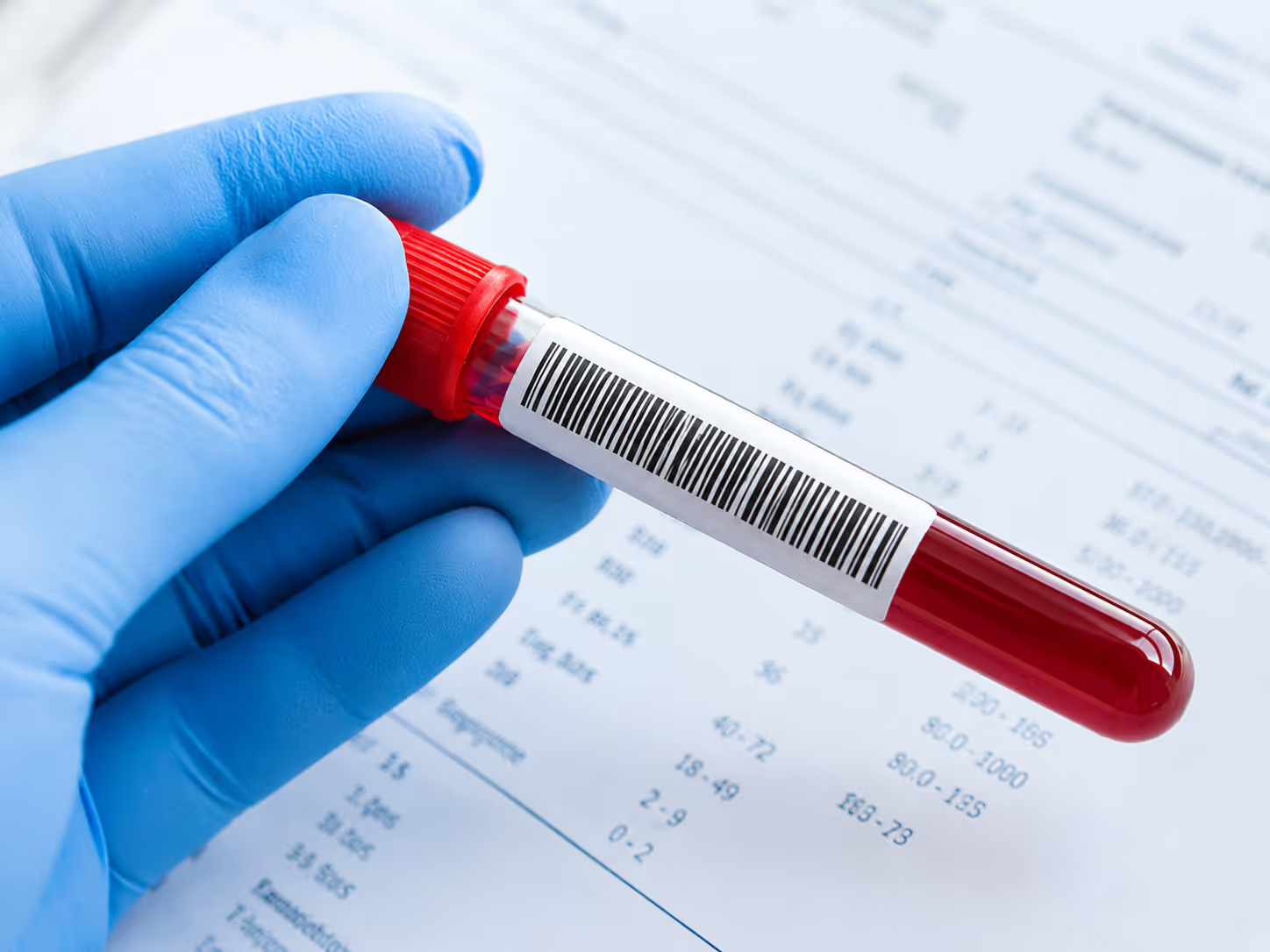
Comprehensive Lab Evaluation
We evaluate 160+ biomarkers across hormones, thyroid, inflammation, metabolism, cortisol, recovery, and other systems.
Physician Review
An RHM physician reviews your labs, symptoms, history, and goals before making recommendations.

Personalized care plan
Your care plan is tailored to your physiology and may include hormone support, recovery strategies, nutrition, or specialty care.
Ongoing monitoring
We continue monitoring your symptoms, labs, treatment response, side effects, and overall progress so your care can evolve as your body changes.

Step
1
Step
2
Step
3
Step
4
Step
5

Physician-led care built around your physiology
RHM looks beyond the symptom that happens to be loudest. We evaluate inflammation, hormones, nervous system regulation, sleep, metabolism, stress physiology, and recovery together — then build care around what your body is actually experiencing.
573+
160+
20+
Start with care that takes your pain seriously.
- Personalized, physician-led endometriosis evaluation
- Inflammation, hormones, recovery, and nervous system patterns reviewed together
- Advanced testing and clear next steps

FAQ
Is severe period pain normal?
Mild discomfort can happen during cycles, but severe pain that disrupts work, sleep, movement, or quality of life should not be dismissed as normal. Endometriosis pain can be intense, persistent, and connected to inflammation, hormonal sensitivity, nervous system sensitization, and tissue involvement beyond the uterus.
Why did it take so long for someone to take my symptoms seriously?
Endometriosis is commonly underrecognized because symptoms can overlap with cramps, IBS, bladder issues, pelvic floor dysfunction, hormonal changes, and chronic stress. Many women are told their pain is “normal” for years before receiving a deeper evaluation. That delay is common, but it should not be acceptable.
Can endometriosis affect more than the reproductive system?
Yes. Endometriosis can affect digestion, bladder function, sleep, energy, mood, recovery, inflammation, and nervous system sensitivity. It is not only a reproductive condition or a period-pain condition — it can affect the whole body.
Why do I feel exhausted all the time?
Fatigue with endometriosis can come from chronic inflammation, pain, poor sleep, heavy bleeding, iron deficiency, nervous system overload, hormone shifts, and the physical stress of managing symptoms over time. It is not “just being tired.”
Why does pain sometimes continue between cycles?
Endometriosis can create ongoing inflammation, tissue irritation, pelvic floor tension, and nervous system sensitization. That means pain may continue even when you are not actively bleeding or in the most intense part of your cycle.
Is surgery the only treatment option?
No. Surgery may be appropriate for some patients, especially when lesions need to be removed or symptoms are severe. But endometriosis care can also include hormonal support, inflammation management, pain management, nervous system regulation, pelvic floor therapy, nutrition, recovery support, and coordinated care with specialists.
Does RHM perform endometriosis surgery?
No. RHM does not perform endometriosis surgery. When surgery is appropriate, that should be handled by a qualified gynecologic surgical specialist, often a minimally invasive gynecologic surgeon. RHM’s role is to support the inflammatory, hormonal, metabolic, nervous system, and recovery patterns that may contribute to symptoms — alongside surgical or gynecologic care when needed.
Can hormones affect endometriosis symptoms?
Yes. Endometriosis is hormonally sensitive, especially to estrogen. Hormone patterns can affect inflammation, pain, cycle symptoms, bleeding, mood, fatigue, and symptom flares. That does not mean every patient needs hormone therapy, but hormones should be part of a thoughtful evaluation.
Why do digestive or bladder symptoms happen with endometriosis?
Endometriosis can affect tissue near the bowel, bladder, pelvis, and surrounding nerves. Inflammation and nervous system sensitization can also create symptoms that feel like IBS, bloating, bowel pain, urinary urgency, bladder discomfort, or pelvic pressure.
Will I automatically be prescribed hormones?
No. Hormones are not automatic. RHM evaluates your symptoms, medical history, goals, risk profile, labs, and current care plan before making recommendations. Some patients may benefit from hormone-related care, while others may need inflammation support, pelvic floor care, pain management, nutrition, recovery work, surgical coordination, or other interventions.