Women / Menopause
Menopause care for when symptoms didn't end when your period did.
Menopause
Menopause affects hormones, thyroid, cortisol, metabolism, and recovery — not just estrogen. RHM evaluates them together with 160+ biomarkers, then builds a personalized treatment plan around your physiology.

What you’re experiencing isn’t random.
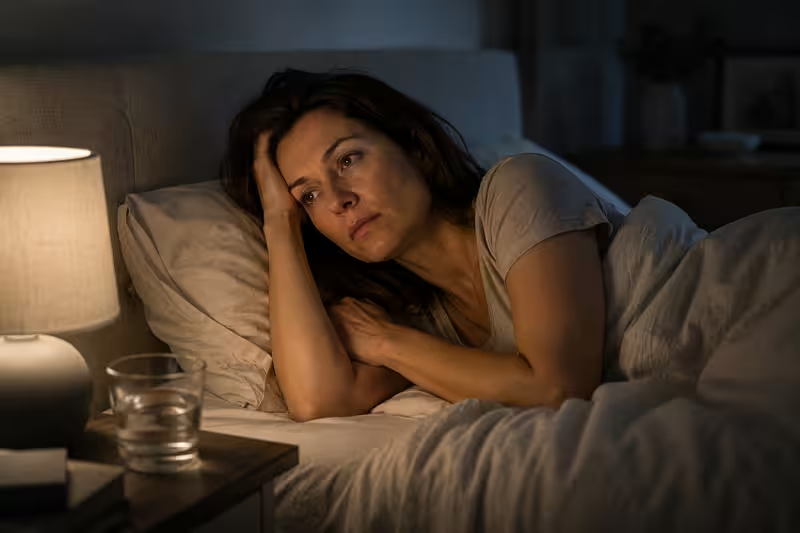
You expected things to settle after your period stopped. Instead, sleep feels lighter. Energy feels less reliable. Your body responds differently to stress, food, exercise, and normal daily demands. Nothing may feel dramatic enough to explain it. Just a growing sense that you don’t feel like yourself.
You've been told:
- “It's just a part of aging”
- “Your labs look normal”
- “You should be able to push through”
Symptoms affecting how you sleep, think, and function deserve a closer look.
What is Menopause?
Menopause is the point when you have gone 12 months without a period. It usually happens between ages 45 and 55, but the effects can continue for years after your final cycle.
Menopause symptoms rarely happen one at a time.
Sleep, energy, mood, weight, libido, and recovery often shift together — which is why symptoms can feel connected and harder to explain over time.
Sleep & Night Sweats
Lighter sleep, night sweats, waking at 3am, trouble falling back asleep
Energy, Mood & Focus
Fatigue, brain fog, depression, anxiety, irritability, low motivation
Weight & Metabolism
Weight gain, abdominal fat, slower recovery, changes in muscle tone

Skin, Hair & Body Changes
Hair thinning, dry skin, joint discomfort, changes in body composition
Libido & Sexual Health
Low libido, dryness, discomfort, reduced responsiveness

Hormonal Changes
Hot flashes, palpitations, mood shifts, feeling physically or emotionally flat
Why standard care often falls short
Menopause affects more than just estrogen.
Estrogen matters, but it is only one part of the puzzle. How you feel during menopause is also influenced by thyroid function, cortisol, inflammation, metabolic health, sleep quality, and recovery capacity.
Undertested
Undertrained
Averaged
Fragmented
Dismissed
thyroid, cortisol, and metabolism rarely evaluated
Incomplete
Your labs can look normal. And still miss everything that matters.
Standard panels can confirm you're in menopause. They rarely explain why you still feel exhausted, foggy, anxious, and unlike yourself.
Traditional labs
160+ biomarkers
A handful of hormone markers
Systems read together
Single snapshots in isolation
Thyroid, cortisol, metabolism, inflammation
Rarely included
Connected pattern
Each symptom separately
Physician-led, physiology-driven
Minimal context provided
Built around your physiology
Reactive and generalized
Why menopause can last longer than expected?
Most women are told menopause is a phase with a finish line. What they aren't told is that for many women, that finish line doesn't arrive on schedule. Research shows the average duration of symptoms is 7.4 years — and for women who began experiencing them during perimenopause, nearly 12.



The hormonal shifts that began during perimenopause continue reshaping how your body regulates sleep, metabolism, stress, and recovery long after your final period. If you're years into this and still don't feel like yourself — you're not behind. You're just not getting the full picture yet.
Why it becomes harder to “push through”
At some point, adapting around how you feel stops being sustainable. It's not that the symptoms get dramatically worse. It's that combined, the weight of it all becomes too heavy
How RHM Treats Menopause
Discovery Call
Discuss symptoms, history, and whether deeper evaluation makes sense.

Comprehensive Lab Evaluation
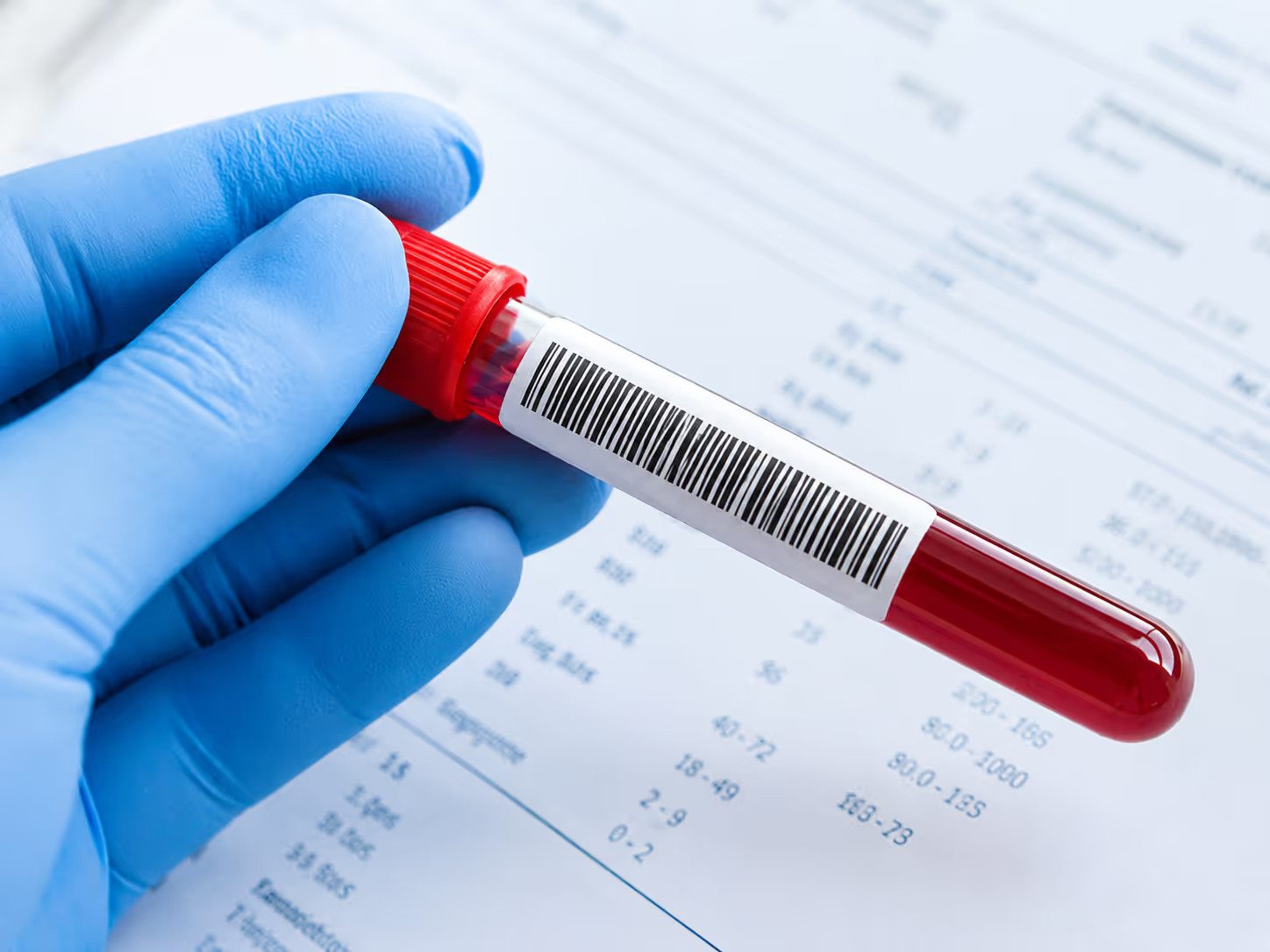
Test 160+ biomarkers across hormones, thyroid, cortisol, metabolism, and inflammation.
Provider Consultation
Review your results with an RHM physician and understand what may be driving your symptoms.

Personalized Plan
Get a treatment plan built around your labs, symptoms, physiology, and goals.

Ongoing Monitoring
Adjust your care over time as your body responds and your needs change.

Step
1
Step
2
Step
3
Step
4
Step
5

Physician-led care built around your physiology
Many hormone clinics rely on standardized protocols. RHM looks at how hormones, thyroid, cortisol, metabolism, inflammation, and recovery work together — then builds care around your labs, symptoms,
573+
160+
20+
Research & Insights on Menopause

Perimenopause weight gain isn't about willpower. See the hormonal, metabolic, and physiological causes — and what individualized care can do.

Perimenopause brain fog is real, common, and usually temporary — here's why it happens and what a full hormone evaluation can do about it.

Not losing weight on Ozempic, or gaining it back? A physician-led look at why the scale stalls: metabolic adaptation, muscle loss, thyroid, and insulin.
Start your journey to personalized, long-term health
- Physician-led care for perimenopause symptoms
- 160+ biomarkers across hormones, thyroid, cortisol, metabolism, and inflammation
- A personalized plan that evolves as your body changes

FAQ
What age does menopause usually start?
Menopause usually occurs between ages 45 and 55, with the average age around 51. Some women reach menopause earlier or later depending on genetics, medical history, lifestyle, surgery, medications, and overall health patterns.
How long do menopause symptoms last?
Menopause itself is confirmed after 12 consecutive months without a period, but symptoms can last for years before and after that point. Hot flashes, sleep disruption, mood changes, weight gain, vaginal dryness, and brain fog may continue well into postmenopause for some women.
What is the difference between menopause and perimenopause?
Perimenopause is the transition leading up to menopause, when hormones fluctuate and symptoms often begin. Menopause is the milestone reached after 12 consecutive months without a period. Postmenopause is the stage after menopause.
Is it normal to still have symptoms years after menopause?
Yes, many women continue experiencing symptoms after menopause. That does not mean you should simply accept them. Persistent symptoms may be connected to hormones, thyroid function, metabolism, cortisol, inflammation, sleep, recovery, or other underlying patterns that deserve a closer look.
What are common menopause symptoms?
Common menopause symptoms include hot flashes, night sweats, sleep disruption, fatigue, brain fog, anxiety, mood changes, weight gain, loss of muscle tone, low libido, vaginal dryness, joint pain, hair thinning, and heart palpitations.
Is menopause only about estrogen?
No. Estrogen matters, but menopause can also affect thyroid function, metabolism, cortisol patterns, inflammation, sleep quality, muscle mass, bone health, cardiovascular health, and recovery capacity. That is why symptoms often feel connected instead of isolated.
Why am I gaining weight after menopause?
Postmenopausal weight gain can be influenced by hormone changes, reduced muscle mass, insulin resistance, thyroid function, sleep disruption, chronic stress, inflammation, and lower recovery capacity. For many women, the same diet and exercise routine no longer creates the same result.
Can menopause affect anxiety and brain fog?
Yes. Hormonal changes, poor sleep, cortisol patterns, thyroid function, and metabolic changes can all affect mood, focus, memory, and mental clarity. Many women describe feeling less sharp, more anxious, or less emotionally steady during and after menopause.
Do I need hormone therapy for menopause?
Not always. Some women may benefit from hormone therapy, while others may need non-hormonal support, metabolic care, thyroid evaluation, targeted supplementation, lifestyle changes, or other interventions. RHM builds care around your symptoms, labs, history, and goals.
What if I do not want hormone therapy?
That is okay. Menopause care does not have to start or end with hormone therapy. RHM can evaluate other systems that may be contributing to symptoms, including thyroid, metabolism, inflammation, sleep, cortisol, nutrition, and recovery.
How does RHM evaluate menopause symptoms?
RHM evaluates menopause symptoms through a comprehensive review of your symptoms, medical history, lifestyle patterns, and lab work. The goal is to understand what is driving how you feel instead of treating one symptom or one lab marker in isolation.
When should I see a menopause specialist?
You should consider seeing a menopause specialist if symptoms are affecting your sleep, weight, mood, focus, libido, energy, comfort, or quality of life — especially if you have been told everything is “normal” but you still do not feel like yourself.